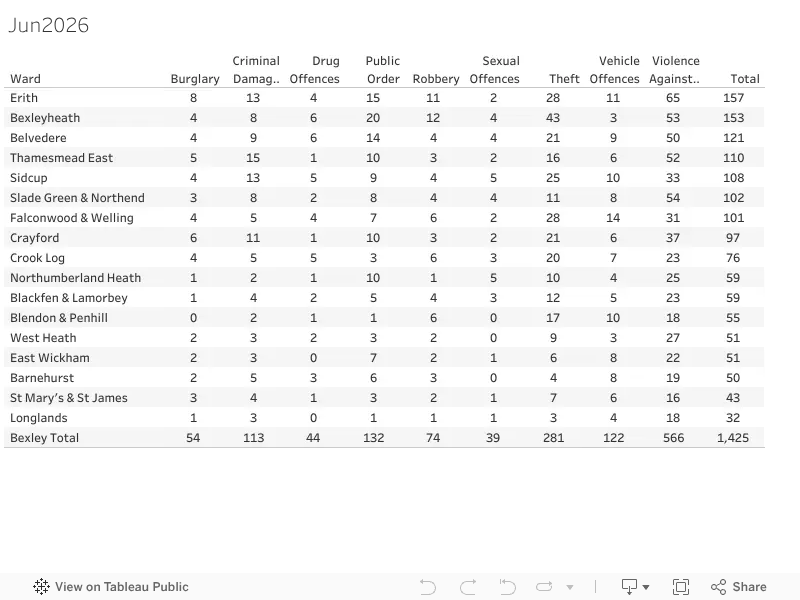
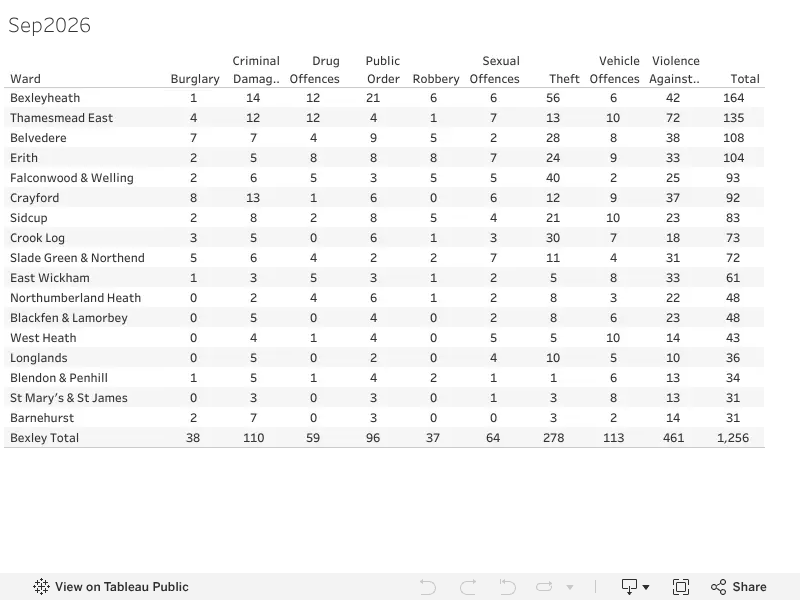
Scammers are constantly sending out fraudulent text messages to try to steal your money, as well as your personal and financial information.
The goal of scam text messages is to get you to follow a malicious link or contact a number currently controlled by a fraudster, where you’ll be coaxed into handing over your info. Tali Ramsey, our scams expert, has highlighted five messages currently circulating, including dodgy DVLA texts and fraudulent parking fines.WELCOME TO the official blog of Bexley Borough Neighbourhood Watch Association (BBNWA), Bexleyheath Police Station, 2 Arnsberg Way, Bexleyheath, Kent DA7 4QS. Mobile Tel: 07496 385471 bexleynw@outlook.com Charity No: 1072368
Pages
- Home
- About NW
- More About BBNWA
- Blog
- Bexley Wards
- Bexley Crime Stats
- Contact Us
- Crime and Safety in Bexley
- Events
- External Links
- GDPR
- GOV COVID-19
- Social Media
- Ward 🚨 MetEngage
- Kent Community Watch Magazine
- Met's Weekly Newsletters
- Newsletters
- National eNewsletters
- SE Newsletters
- Join Us
- Watches in Bexley
- Reporting
- BBNWA Watch schemes
- BBNWA Crime stats map
- Bexley SNT List
- Bexley Car Parks
Thursday, 30 July 2026
This company is flogging dodgy air-con
Picadex sells portable and wall-mountable air conditioners at a time when the country is experiencing multiple heatwaves. But some customers who bought from the retailer complain of receiving nothing, or something not as described.
The company claims to have a 4.9-star rating average on Trustpilot, but its true rating is 1.3. Find out more about how dodgy retailers are capitalising on the heatwave.Fake delivery texts are fuelling a fraud empire
Text message scams are the backbone of a global fraud empire that's worth billions. Fake delivery messages often lead to bank impersonation scams, and experts say this type of fraud is becoming slicker and trickier to detect.
Which? investigative reporter, Chiara Cavaglieri explains how text messages are fuelling fraud. She shares five red flags you should watch out for to help you spot a fake text.🚨 Scam Warning: Watch Out for Fake DVLA "Road Usage" Emails in Bexley
| scam DVLA email |
| scam DVLA email |
A local Bexley resident has recently brought a suspicious email to light that is currently targeting drivers across the area.
Designed to look like an official notice regarding vehicle tax (Vehicle Excise Duty) or driving records, this email is a phishing scam aimed at stealing personal details and financial information.
Here is what you need to look out for to keep yourself and your family safe online.
What Does the Scam Look Like?
The email claims to be a "Road Use Record Review" from a fake authority called the "Motor Vehicle & Driver Records - Department".
Subject: A notice concerning the road usage cycle for your motor that lapsed in July 2026
Message: "We reviewed your transport record this very day and noted that the annual road use obligation ended on 28 July 2026. Please check your status soon to keep your ability to drive uninterrupted."
It includes a prominent button reading "Review Road Status", which links to a fraudulent site designed to harvest your bank details or personal credentials.
🚩 Dead Giveaways & Red Flags
If you receive a message like this, several clear warning signs reveal it to be fake:
Suspicious Sender Address: Official correspondence from the DVLA will come from valid
.gov.ukemail domains. In this instance, the sender's address ends in@hotmail.com— a clear sign of fraud.Incorrect Official Terminology: The UK official body is the Driver and Vehicle Licensing Agency (DVLA). Phrases like "Motor Vehicle & Driver Records - Department", "road usage cycle", and "annual road use obligation" are awkward, unnatural translations intended to mimic official language.
Vague Greetings & Artificial Urgency: Scammers rely on panic tactics, claiming your vehicle tax or licence has lapsed to trick you into clicking quickly without checking the details.
What Should You Do If You Receive It?
Do NOT click any links or buttons: Do not press "Review Road Status" or follow any links within the body of the email.
Do NOT reply or share personal information: Never provide payment details, national insurance numbers, or home address details via email links.
Forward it to the NCSC: Report suspicious emails by forwarding them to the National Cyber Security Centre at
report@phishing.gov.uk.Delete and mark as spam: Once reported, remove the email from your inbox.
What If You Have Already Clicked or Paid?
If you entered any sensitive information or financial details:
Contact your bank immediately: Tell them your card or account details may have been compromised so they can block pending transactions and secure your account.
Report to Action Fraud: Log the incident online or by calling 0300 123 2040.
Check your official status safely: If you are ever genuinely unsure about your vehicle tax or MOT status, check directly using the official government website at gov.uk/check-vehicle-tax.
Please share this alert with neighbours, friends, and family in the Bexley borough—especially older residents who might be vulnerable to digital scams.
Friday, 24 July 2026
This Windows computer setting can protect you from hackers
Ransomware is one of the nastiest online threats. This computer software
is used by hackers to lock you out of your files, including family
photos, important documents and more. The fraudsters then demand you pay
a ransom to regain access.
To help protect against ransomware, Windows includes a feature called
Controlled folder access. It isn't always enabled by default, so take a
couple of minutes to check your settings now. We walk you through how to do this, here.
If you'd prefer 1-2-1 tech help from Which? experts, including advice on
online security and scams, you can join Which? Tech Support. Our
friendly team is there to chat on the phone or by email as often as you
need. Find out more about the support on offer.
Source: Which? (16 Jul 2026)
How scammers hack your Amazon account
Phone scammers are targeting Amazon customers by claiming that iPhones
or other expensive items have been added to their shopping baskets.
Their aim is to take over your device and gain access to your bank accounts. We reveal the tactics being used and explain how you can secure a hacked Amazon account.
Source: Which? (15 Jul 2026)
How to stop AI chatbots from using your data – the easy way
From summarising documents to researching your next holiday, AI chatbots
such as ChatGPT, Copilot and Gemini are becoming part of everyday life.
But the information you share isn't always as temporary as you might
think.
We explain how different AI chatbots handle your data, including how to limit the information they store and switch off settings that allow your data to be used for AI training
Source: Which? (01 Jul 2026)
Wednesday, 22 July 2026
Heads Up: Watch Out for This Fake RingGo Parking Fine SMS Scam
If you’ve recently received a text message claiming you have an "outstanding parking transaction" with RingGo, don't panic—and do not click the link.
A convincing new SMS scam is circulating across the UK, targeting motorists with fake unpaid parking fee notices designed to steal personal and financial details. Here is everything you need to know about how this scam works and how to protect yourself.
What the Scam Text Looks Like
The scam text attempts to create a false sense of urgency regarding late fees and administrative processing.
Scam Message Text:
"RingGo – Outstanding Parking Transaction Reminder
We identified an unpaid parking transaction during recent parking record reconciliation. Resolving this outstanding amount early avoids continuous late charges and extended administrative processing.
Access our official website, submit your vehicle registration number, check parking session logs and complete payment.
Official website link: https://ringgoiy-co[.]top/uk
(Simply reply with “Y”, then close this message and reopen it to activate the link. If the link still does not work, please copy it and paste it directly into Safari.)
Please settle payment soon to prevent further administrative processing as stated in our parking terms and conditions.
Thank you for your cooperation. RingGo Customer Services"
Red Flags to Watch Out For
While the formal language might look official at first glance, several clear warning signs give it away:
Suspicious Web Address (URL): The legitimate RingGo website is ringgo.co.uk. The scam message directs you to a fake domain (
ringgoiy-co.top), which is designed to clone the real login page and harvest your card details.The "Reply Y" Trick: Asking recipients to reply with a letter "Y" or a number is a common trick used by scammers to bypass automated spam filters on modern smartphones.
Vague Details: The text does not mention your actual vehicle registration, where you allegedly parked, or the specific date of the charge.
Urgency and Threats: Threatening "continuous late charges" is a standard high-pressure tactic used to make people act before thinking.
What to Do If You Receive This Text
Do not click the link or copy it into your browser.
Do not reply to the text message (even with "Y").
Delete the message immediately.
Verify directly: If you are genuinely unsure whether you owe a parking fee, open the official RingGo app installed on your phone or go directly to ringgo.co.uk by typing the address yourself.
How to Report It in the UK
Help stop these scammers by reporting the message:
Forward the SMS to 7726: This is a free UK reporting service run by Ofcom. Forwarding suspicious texts helps mobile network operators investigate and block fraudulent numbers.
Report to Report Fraud: You can report scam texts and phishing attempts online to Report Fraud (the UK’s national fraud reporting center) or forward suspicious texts to 7726..
Stay safe on the roads—and on your phone! Feel free to share this post with friends and family who use cashless parking apps.
Tuesday, 21 July 2026
🚨 Scam Alert: Watch Out for Fake "NatWest Payment Hold" Texts
If you’ve recently received a text message claiming to be from NatWest about a blocked payment to Alan Motors LTD, do not call the number provided. It’s a sophisticated phishing attempt designed to panic you into handing over sensitive personal and financial details.
Here is an exact example of the fraudulent message currently circulating:
NatWest Text Alert: We've placed a hold on a payment of £917.23 to Alan Motors LTD on 2026-07-20 14:54:22. Not you? Call us on 020 3896 5000.
How This Scam Works
Creating Panic: Scammers deliberate specify a high dollar/pound amount (£917.23) and a specific business name (Alan Motors LTD) to make you think someone is currently spending your money.
Fabricated Urgency: The timestamp makes it feel official and immediate, prompting an emotional reaction rather than a logical one.
The Trap Number: The number included in the text (020 3896 5000) does not belong to NatWest. Calling it connects you directly to fraudsters posing as the bank's fraud prevention team. They will attempt to coax you into revealing security PINs, one-time passwords (OTPs), or transferring money to a "safe account."
What to Do If You Receive This Text
❌ Do NOT call the number in the text.
❌ Do NOT click any links if a similar message includes one.
📱 Forward the text to 7726: In the UK, 7726 is the free reporting service run by Ofcom. Simply forward the message to this number so network providers can investigate and block the sender.
🗑️ Delete the message.
What to Do If You're Unsure or Already Called
Verify Independently: If you ever want to check if a text from NatWest (or any bank) is real, log in securely via your official mobile banking app or call the number listed on the back of your debit card.
Call 159: If you are in the UK and suspect you are speaking to a scammer or want to contact your bank quickly, call 159. This is a secure national hotline that connects you directly to your bank's official fraud department.
If You Shared Details: Contact NatWest immediately using the number on the back of your card or via 159, and report the incident to [suspicious link removed].
Quick Rule of Thumb
Banks will never ask you to transfer money to a "safe account," nor will they ask for your full PIN, passcodes, or banking passwords over the phone.
Stay vigilant, share this warning with friends and family, and always double-check the source before picking up the phone!
Thursday, 16 July 2026
Don't get fleeced by a digital pickpocket
Criminals are stealing life-changing sums in digital wallet scams. We
spoke to someone who was targeted by one of these scams, losing £18,000
in a matter of hours after he was convinced by a fraudster to transfer
money out of his account for 'security purposes'.
Find out how this type of scam works, how to protect yourself and why it's nearly impossible to get your money back.
Source: Which? (16 Jul 2026)
Avoid these sneaky subscription traps
Watch out for subscription trap tactics used in online ads to trick you into paying for services you don't want or need.
We aren’t talking about Netflix and Spotify here. We're talking about
some online subscription businesses that offer a ‘free’ trial or ask you
to pay a modest £1 fee, but in reality, leave you facing outrageous
weekly or monthly charges.
Check out the latest traps to watch out for and explore some of the sneaky tactics at play.
Source: Which? (16 Jul 2026)
New rules to tackle scam ads
Meta (owner of Facebook, WhatsApp and Instagram) projected 10% of its
2024 earnings would come from ads for scams and banned goods, according
to a damning Reuters exposé.
Finally, tougher rules have been
proposed aimed at tackling scam ads on online platforms. Tech giants
will be expected to proactively intercept fraudulent advertisers, ban
them and stop them from creating new accounts – if they don't they'll
face hefty fines.
Here's what we know so far about the proposals.
Source: Which? (14 Jul 2026)
Wednesday, 15 July 2026
Scam Alert: The Sneaky "Unpaid Parking Fine" Text Messages Targeting UK Drivers
Have you received a sudden text message warning you about an "unpaid parking fine"? If so, take a second before you tap that link. Consumer champion Which? has issued a major warning about a highly convincing, fast-growing SMS scam designed to steal your personal and financial details.
Here is what you need to know to keep your bank account safe.
What Does the Scam Look Like?
The scam arrives as a text message on your mobile phone, often spoofing official-looking sender IDs or appearing from a random mobile number.
The message claims that a record shows you have an outstanding Penalty Charge Notice (PCN) or an "unpaid parking fine." To make the threat feel urgent, the scammers include a tight deadline, warning that if you do not pay immediately, you will face:
Increased court fees or legal action
Bans from driving
Negative impacts on your credit file
The message then directs you to click a link (often hidden behind URL shorteners like qrco.de or tinyurl) to settle the fee.
![]() |
| An example of the fake text message claiming a parking penalty charge is due.. Source: GOV.UK |
The Trap: Copycat Government Websites
If you click the link, you are taken to a highly sophisticated copycat government website designed to look exactly like the official GOV.UK portal.
To trick you into lowering your guard, the fraudulent page links out to genuine government pages (such as actual challenge portals or public transport rules). However, once you click through to "pay," the site will ask you to input:
Your vehicle registration number (VRN)
Your full name, home address, and contact details
Your credit or debit card details
The only major giveaway is the URL (web address). While the page looks perfect, the address bar will not start with the official gov.uk domain.
Why Real Parking Fines Never Arrive by Text
The absolute simplest way to spot this scam is to understand how UK parking enforcement actually works:
Government bodies, local councils, and private parking companies will never contact you by text message to issue or chase a PCN.
They do not have access to your mobile number. Real parking tickets are either:
Fixed physically to your vehicle’s windscreen in a yellow plastic packet.
Sent strictly by post to the address of the Registered Keeper on file with the DVLA. Official letters will always contain your vehicle's make and model, specific details of the location, and photographic evidence of the alleged contravention.
What to Do If You Get One of These Texts
Do not click the link: Even just clicking can let scammers know your number is active, leading to more targeted spam.
Report the message: Forward the scam text to 7726 (a free UK reporting service). This helps mobile network providers investigate and block the sender.
Report the website: You can report copycat or fraudulent websites directly to the National Cyber Security Centre (NCSC).
Check securely: If you are genuinely worried you might have a real, outstanding fine, go directly to your local council’s official website or the government's official page by typing the URL into your browser yourself. Never use the link in the text.
If you have already entered your details: Contact your bank immediately using the trusted number on the back of your card to freeze your accounts and stop any fraudulent transactions.
Source: Which? (15 Jul 2026)
Roof fire - Erith 🔥
What is the HM Land Registry Property Alert Service?
The Property Alert service is a free monitoring service provided by HM Land Registry for properties in England and Wales. It acts like a digital security alarm for your property deeds, immediately notifying you if there is any significant official activity on your property's record.
How It Works
Free to Use: Setting up an account and monitoring properties costs absolutely nothing.
Monitor Multiple Homes: You can monitor up to 10 properties at the same time.
You Don't Need to Own the Property: You can monitor your own home, a buy-to-let property, or the home of a vulnerable relative to help protect them.
Instant Notifications: You will receive an email alert the moment HM Land Registry receives an application or a search request against the property (for example, if someone tries to take out a new mortgage or change the ownership details).
What the Alerts Tell You
If an alert is triggered, the email will tell you:
The type of activity taking place.
Who the applicant is.
The exact date and time the request was received.
Please Note: The alert system itself does not automatically block transactions. It is designed to give you an early warning. If you receive an alert about a transaction you didn't authorise, you must act quickly and contact the Land Registry's property fraud team to stop it.
Ready to protect your home?
Set up your alerts: Create a free account directly on the GOV.UK Property Alert page.
Learn about further protection: If you want to proactively block unauthorized sales (and not just get alerts), read the main GOV.UK guide to protecting your land and property from fraud to learn about entering a protective "Form LL" restriction.
Watch the expert advice: To see how these security layers work in practice, watch the HM Land Registry video guide on property fraud.
Visit https://www.instagram.com/reel/DavXZ3RgO9F/ for further information.
Outlawing the Outlaws: How the UK’s SIM Farm Ban is Shutting Down Bulk Fraud
The UK is set to become the first country in Europe to officially ban the possession and supply of "SIM farms".Passed under the landmark Crime and Policing Act 2026, this legislation directly outlaws the physical tools criminals use to orchestrate bulk text message scams, marking a major leap forward in the fight against cyber-enabled fraud.
With fraud accounting for more than 40% of all reported crime in England and Wales, the ban provides law enforcement with a crucial weapon to disrupt scammers at their source.
What is a SIM Farm?
Also known as a SIM box, a SIM farm is a physical electronic device capable of holding five or more SIM cards simultaneously or interchangeably.
By connecting these boxes to a computer, fraudsters can send thousands of text messages or place automated phone calls at the touch of a button. Previously, these low-cost devices were easily purchasable online with zero identity verification, making them highly accessible to criminal gangs.
How Criminals Exploit Them
Before this legislation, SIM farms served as the engines behind some of the UK’s most persistent scam campaigns:
Industrial-Scale Smishing: Criminals use them to blast out hundreds of thousands of fake parcel-delivery notifications, tax rebate warnings, or bank alerts in minutes.
Creating Fake Accounts: Scammers use SIM farms to rapidly receive SMS verification codes, allowing them to mass-generate "verified" fake profiles on social media and messaging apps.
Evading Detection: By routing messages across many different PAYG (pay-as-you-go) SIM cards, criminals could easily bypass standard telecom security filters.
How the Ban Helps Protect the Public
The new law introduces a powerful shift in how the police can prosecute fraudsters.
| Old System | Under the Crime and Policing Act |
| Proof of Intent Required: Police had to catch fraudsters actively using the devices to commit a scam to secure a prosecution. | Illegal to Possess: Simply possessing, importing, or supplying a SIM farm without a legally proven, legitimate reason is now a criminal offence in its own right. |
| No Barriers to Entry: Devices were cheap, unregulated, and widely available to purchase online without ID checks. | Heavy Penalties: Offenders face unlimited fines in England and Wales, and a £5,000 fine in Scotland and Northern Ireland. |
| Voluntary Industry Blocklists: Networks tried to block numbers, but criminals could quickly swap SIM cards. | Stops the Supply: Shuts down the local distribution of the hardware itself, forcing criminals to use more expensive, easily tracked web alternatives. |
Legitimate Exceptions: The law does include protections for legitimate industries that use SIM multiplexers—such as public transport Wi-Fi routing, emergency broadcasting services, and telecom network testing.
By combining this ban with Ofcom's new rules restricting text volumes on PAYG cards, the UK is successfully dismantling the cheap, high-volume infrastructure that has plagued mobile users for years.
Ofcom’s rules target a major loophole used by international scammers. Scammers abroad know we are far more likely to answer a call displaying a familiar UK mobile number (+447) than an unknown international country code.
Stopping this trick—known as Caller ID spoofing—is technically much harder for mobile numbers than it is for landlines. This is because roaming is a legitimate feature; a real UK mobile user needs to be able to make calls from Spain or the US and still display their genuine +447 number to friends back home. (Ofcom)
To solve this, Ofcom has introduced a clever two-pronged strategy targeting both network-level blocking and a new "withhold and verify" protocol.
1. Stopping Landline Spoofing (The Foundation)
To understand how Ofcom is tackling mobile numbers, it helps to look at what they have already successfully rolled out for landlines.
Blocking Network Numbers: Telecoms providers must block international calls where the Network Number (the hidden background data showing where a call is physically routed from) is disguised as a UK landline.
Blocking Presentation Numbers: Providers must block calls from abroad that try to display a UK landline as a Presentation Number (the caller ID number you actually see on your screen).
The Result: When BT voluntarily piloted this rule, they successfully blocked up to 1 million scam calls a day from entering their network.
2. The New Mobile Spoofing Rules: "Withhold and Verify"
Because direct blocking would accidentally cut off legitimate UK tourists calling home from abroad, Ofcom’s latest guidance introduces a dynamic verification model:
Incoming International Call (carrying a UK +447 number)
│
▼
Can the UK home network verify the SIM is roaming?
/ \
YES NO
/ \
▼ ▼
[ Allow Caller ID ] [ Withhold Caller ID ]
Displays "+447..." to user Displays "Number Withheld"
Automatic ID Withholding: If an incoming call originates from an international network but presents a UK mobile (+447) number, the UK gateway provider must automatically strip away the caller ID and display the call as "Number Withheld" or "Unknown".
The Roaming Verification Bypass: The original, genuine UK caller ID will only be restored if the recipient's home network can securely verify that the customer's actual SIM card is genuinely roaming on an overseas partner network.
Protecting Legitimate Businesses: If a legitimate UK business operates an offshore call centre, they can only present their UK business number if they route their calls through verified, authenticated VoIP or cloud-PBX systems that prove their legal connection to a UK network.
Why This is Highly Effective
While scammers can still physically place the call, they can no longer trick you by displaying a fake, trusted UK mobile number.
Instead, their call will show up on your screen as "Withheld" or "Unknown." Because only 9% of UK consumers say they are likely to answer an unknown or withheld international call, the financial incentive for overseas criminal networks to target the UK is heavily disrupted.
Important: While these measures block a massive portion of automated spam, keep exercising caution with unexpected calls from withheld numbers, and never share security codes or transfer money over the phone.
How to Block Mobile Ads System-Wide (Without Downloading an App)
We’ve all been there: you’re trying to read an article or play a mobile game, and you are absolutely bombarded by pop-ups, banners, and auto-playing video ads.
While you can install ad-blocking extensions on desktop browsers, mobile devices are notoriously tricky. But what if you could block ads, trackers, and malicious domains across your entire phone—inside apps, games, and browsers—without downloading a single app or draining your battery?
Enter AdGuard DNS. By changing just one simple setting on your phone, you can route your web requests through a secure, ad-filtering server.
Here is everything you need to know about how it works, the pros and cons, and how to set it up in under two minutes.
![]() |
| AdGuard DNS filters web traffic at the domain level before ads can reach your mobile.. Source: Google Play |
What is AdGuard DNS?
Whenever you visit a website (like google.com), your phone uses a Domain Name System (DNS) to translate that human-readable name into a computer-friendly IP address. Normally, this lookup is handled automatically by your mobile carrier or public Wi-Fi provider.
AdGuard DNS replaces your provider's default directory. When a game or website tries to load an ad or a tracker, AdGuard simply refuses to look up that specific domain, blocking the ad before it even has a chance to download to your device.
The Pros: Why You Should Try It
Zero Battery or RAM Drain: Traditional ad-blocking apps run constantly in the background, hogging your device's memory and draining the battery. Because AdGuard DNS is configured natively in your phone’s operating system settings, it uses absolutely no extra resources.
System-Wide Protection: It doesn’t just clean up your mobile web browser; it blocks trackers and advertisements inside your apps and games too.
Encrypted Privacy (DNS-over-TLS): Standard DNS requests are sent in plain text, meaning your mobile provider or a dodgy café Wi-Fi host can spy on the sites you visit. Configuring a "Private DNS" encrypts these queries, keeping your browsing habits private.
A Strict No-Logs Policy: AdGuard has a highly transparent privacy policy. For their public DNS service, they do not log your IP address or track the domains you visit.
The Cons: The Trade-offs to Keep in Mind
As brilliant as this method is, it is not without a few minor quirks:
An "All-or-Nothing" Approach: Because there is no app interface to quickly toggle on and off, you can't easily "pause" the blocking if a website breaks. If a retail link (like a sponsored Google Shopping search result) won't open, you have to dig back into your system settings to turn the Private DNS off temporarily.
Blank Spaces on Webpages: AdGuard DNS stops ad content from loading, but it cannot rewrite the code of the webpage you are viewing. You may occasionally see empty grey boxes or awkward blank spaces where an ad was supposed to sit.
It Can't Block First-Party Ads: Because it blocks ads at the domain level, it cannot stop ads that are served directly from the same servers as the content. This means ads on platforms like YouTube, Instagram, and TikTok will still get through.
How to Set It Up
To get started, you just need to choose which server profile suits your needs:
| Profile Mode | Hostname to Copy/Paste | Best For |
| Default (Standard) | dns.adguard-dns.com | Standard ad, tracker, and malware blocking. |
| Family Protection | family.adguard-dns.com | Blocks ads, blocks adult content, and forces SafeSearch. |
On Android (Android 9 and newer)
Open your phone's Settings and go to Network & Internet (sometimes called Connections).
Tap Private DNS (this is often located under "Advanced" or "More connection settings").
Select Private DNS provider hostname.
Paste your chosen hostname (e.g.,
dns.adguard-dns.com) and tap Save.
On iOS (iPhone & iPad)
Apple does not allow you to manually type in a custom DNS hostname directly within the native iOS settings. Instead, you have to use a lightweight configuration profile:
Head to the official AdGuard DNS Setup Page.
Select iOS and download their official configuration profile.
Open your iPhone's Settings, tap Profile Downloaded at the top of the screen, and follow the prompts to install it.
(Note: While you may see older guides referencing dns.adguard.com, the official and updated hostname to use is dns.adguard-dns.com.)
The Verdict: If you want a free, set-and-forget way to make your mobile browsing cleaner, faster, and significantly more private, setting up AdGuard DNS is an absolute no-brainer.
Ofcom Announces Tough New Rules to Defeat Mobile Scammers
Mobile phone users in the UK are set to receive much stronger protection from scam texts and "spoofed" calls, following a robust package of measures finalised by Ofcom today.
With fraud making up roughly 45% of all reported crime in England and Wales, these new rules aim to shut down the gaps that international criminal gangs exploit to target British consumers and businesses.
![]() |
| How scammers exploit mobile networks. Source: ISP Review |
Why Now? The Scale of the Problem
The Cost: In 2025 alone, victims in the UK lost a staggering £1.28 billion to fraudsters.
The Reach: Four in ten (40%) UK mobile users report receiving at least one suspicious message in the last three months.
To address this, the UK communications regulator is introducing strict new requirements for mobile providers to intercept scams at their source.
How the New Rules Work
The strategy splits mobile scams into two main categories: person-to-person (P2P) and business (A2P) messaging, applying targeted rules to block both.
1. Person-to-Person (P2P) Scams
These occur when a fraudster uses a standard SIM card to impersonate a friend or family member in distress (e.g., the infamous "Hi Mum" text).
Action taken: Providers must collect scam data from customers and anti-fraud organisations, block identified numbers, and dynamically filter out messages containing known malicious weblinks or phone numbers in transit.
Volume Limits: Strictly limiting the number of texts that can be sent from pay-as-you-go SIM cards to prevent automated mass-messaging.
2. Business Messaging Scams
This is where scammers hijack or fake corporate sender names (like bank or courier names) to make their phishing links look authentic.
"Know Your Customer" (KYC): Strict background checks on new businesses before they can send mass messages.
Sender ID Verification: Providers must verify that the business sending a text actually owns the sender ID (e.g., stopping a sender claiming to be a delivery company if they are registered as a local hair salon).
Incident Management: Swiftly rooting out scammers and holding platforms accountable if they fail to perform proper due diligence.
Cracking Down on "Spoofed" Foreign Calls
Additionally, Ofcom is tackling the menace of international calls that disguise themselves with UK mobile numbers to trick people into answering.
Under the updated guidance, UK telecoms networks must withhold caller ID displays for any incoming international call mimicking a UK mobile number—unless the network can prove the caller is a legitimate UK customer roaming abroad.
What You Can Do
While these network-level defences will significantly reduce the number of scam messages slipping through, some may still occasionally bypass filters.
Important: If you receive a suspicious text, call, or message, you can help train the network filters by forwarding the message or reporting the number to 7726 (which spells "SPAM" on an alphanumeric keypad). This service is completely free and helps providers quickly shut down active scam runs.
If you have fallen victim to a scam and lost money, report it immediately to Action Fraud (by visiting www.reportfraud.police.uk or calling 0300 123 2040) or to Police Scotland by calling 101.
Source: Ofcom
https://bexleywatch.blogspot.com/2026/03/working-together-for-safer-bexley.html
The scam where banks refuse to refund victims
As controls to prevent authorised push payment (APP) scams improve, criminals are changing tactics and increasingly tricking people into a...
-
If you’ve recently received a text message claiming you have an "outstanding parking transaction" with RingGo, don't panic—an...
-
Four fire engines and around 25 firefighters tackled a grass fire near Martens Avenue in Bexleyheath. Around 400 square metres of woodland ...
-
Phone scammers are targeting Amazon customers by claiming that iPhones or other expensive items have been added to their shopping baskets. ...